NEW COMMON GROUNDS CONFERENCE 2026 SINGAPORE 23 JULY – 25 JULY

CONFERENCE TEAM
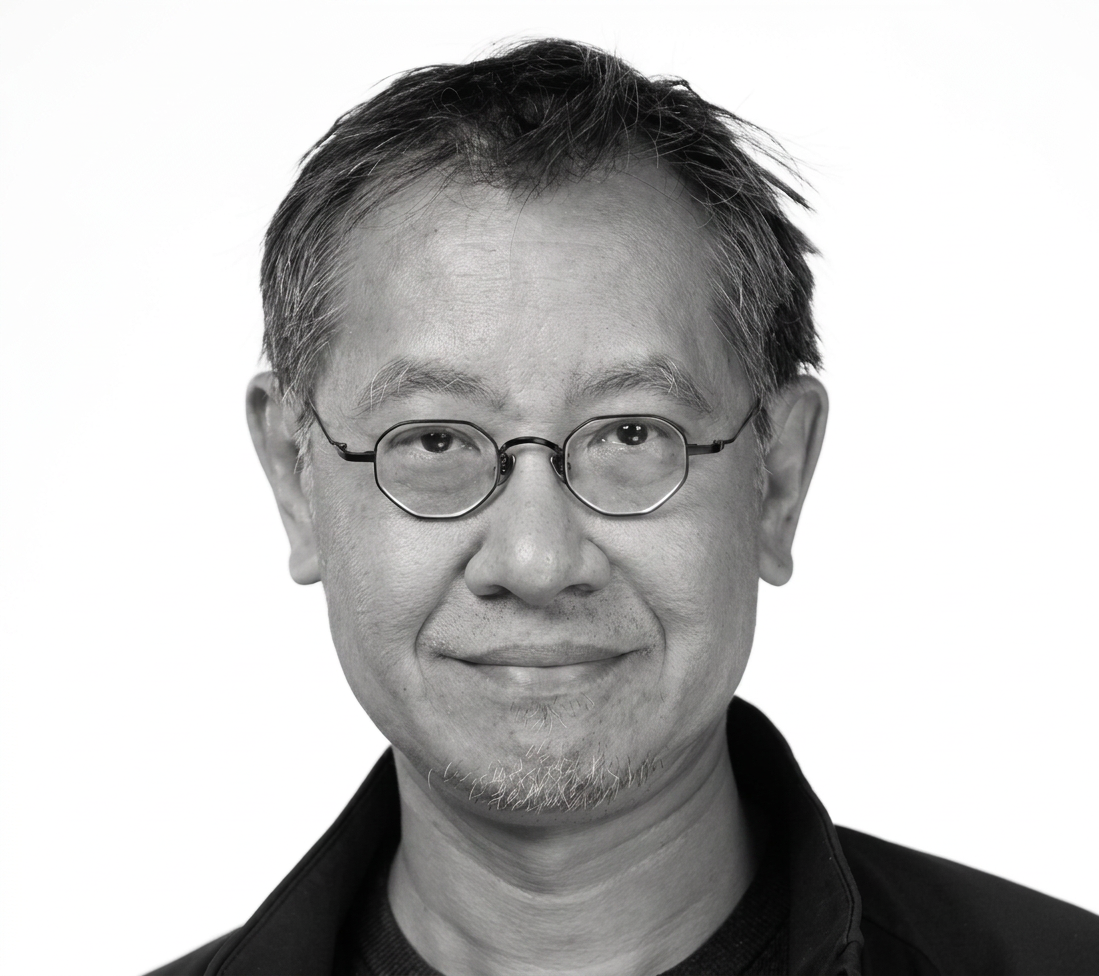
Professor Jeffrey Hou (Dr.)
Conference Convenor
Jeff Hou is Provost’s Chair Professor and Head of the Department of Architecture at the National University of Singapore, where he co-directs the Civic Resilience Lab. Hou’s work focuses on community design, civic engagement, public space, and empowerment of marginalized communities. In a career spanning the Pacific, he worked with indigenous tribes, farmers, fishers, and villagers in Asia, and inner-city immigrant youths and elders in North America, on projects ranging from wildlife conservation to community placemaking. His recent publications included the co-edited volume “Emerging Civic Urbanisms in Asia: Hong Kong, Seoul, Singapore, and Taipei Beyond Developmental Urbanization” (2022).

Ar. Lai Chee Kien (Dr.)
Conference Convenor
Chee Kien is a historian researching art, architecture, settlements, urbanism and landscapes in Southeast Asia, and a registered architect in Singapore. He is vice-president of the Society of Architectural and Urban Historians of Asia and is an editorial board member of Asian Heritage Research. He is co-founder of this series of forums known as New (X) Grounds in 2019 and has authored several publications about those subjects.
Mateo García
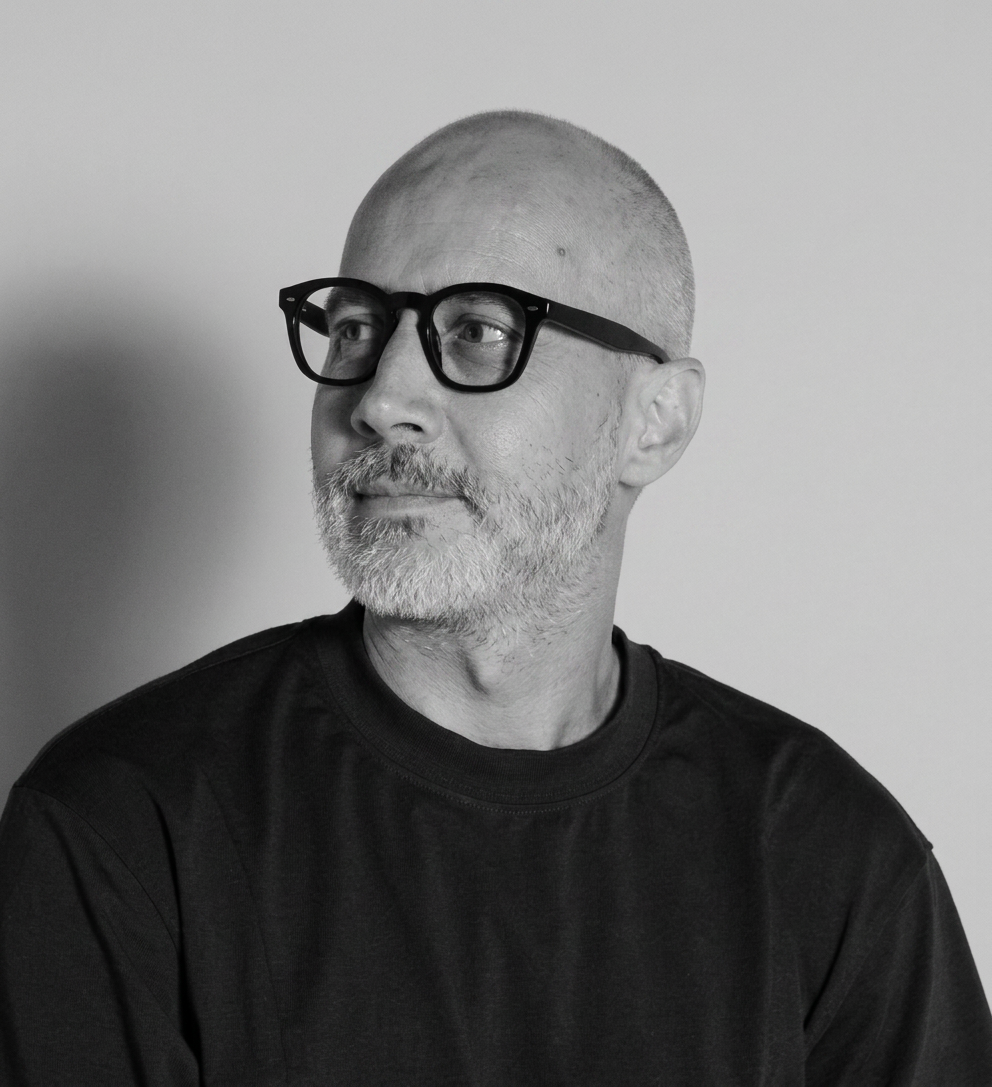
Associate Professor Ar. Christo Meyer
Conference and Exhibition Coordinator
Christo Meyer ARB RIBA is an Associate Professor (Practice Track) in the Department of Architecture at the National University of Singapore and founder of CHRISTO MEYER WORKS. A UK-registered architect and Chartered Member of the Royal Institute of British Architects (RIBA), his work spans architectural practice, design research, and pedagogy. His teaching and research explore design-through-making, architectural representation, narrative, and research by design, with particular interests in materiality, place, and the Global South. He also contributes to architectural discourse through writing and regularly serves as a critic, international juror, and reviewer for academic and professional initiatives across the region and beyond.
Leila Haddad
Professor Jeffrey Hou (Dr.)
Conference Convenor
Jeff Hou is Provost’s Chair Professor and Head of the Department of Architecture at the National University of Singapore, where he co-directs the Civic Resilience Lab. Hou’s work focuses on community design, civic engagement, public space, and empowerment of marginalized communities. In a career spanning the Pacific, he worked with indigenous tribes, farmers, fishers, and villagers in Asia, and inner-city immigrant youths and elders in North America, on projects ranging from wildlife conservation to community placemaking. His recent publications included the co-edited volume “Emerging Civic Urbanisms in Asia: Hong Kong, Seoul, Singapore, and Taipei Beyond Developmental Urbanization” (2022).
Ar. Lai Chee Kien (Dr.)
Conference Convenor
Chee Kien is a historian researching art, architecture, settlements, urbanism and landscapes in Southeast Asia, and a registered architect in Singapore. He is vice-president of the Society of Architectural and Urban Historians of Asia and is an editorial board member of Asian Heritage Research. He is co-founder of this series of forums known as New (X) Grounds in 2019 and has authored several publications about those subjects.
Mateo García
Associate Professor Ar. Christo Meyer
Conference and Exhibition Coordinator
Christo Meyer ARB RIBA is an Associate Professor (Practice Track) in the Department of Architecture at the National University of Singapore and founder of CHRISTO MEYER WORKS. A UK-registered architect and Chartered Member of the Royal Institute of British Architects (RIBA), his work spans architectural practice, design research, and pedagogy. His teaching and research explore design-through-making, architectural representation, narrative, and research by design, with particular interests in materiality, place, and the Global South. He also contributes to architectural discourse through writing and regularly serves as a critic, international juror, and reviewer for academic and professional initiatives across the region and beyond.
Leila Haddad
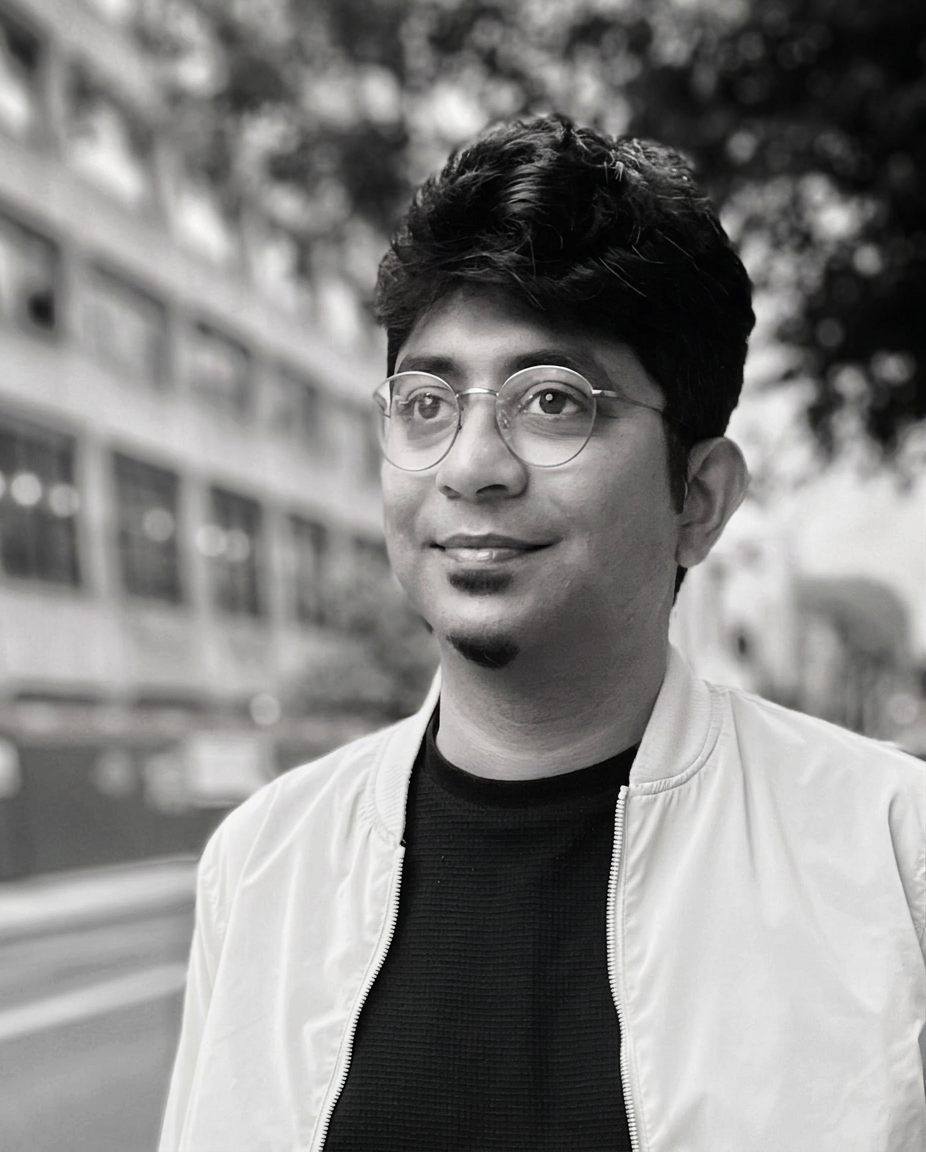
Assistant Professor Saptarshi Sanyal (Dr.)
Design Campuran Coordinator
Saptarshi Sanyal is Assistant Professor (History, Theory, Criticism) at the Department of Architecture, National University of Singapore, and an Associate of the NUS Asia Research Institute STS research cluster. His research examines architecture as process, its construction, labour, and material histories, authorship, and the temporalities of built environment production. Saptarshi’s publications have appeared in The Journal of Architecture, Architecture Beyond Europe [ABE], Architectural Research Quarterly, and other key international platforms. Saptarshi is co-founder and President of PATIO [Platform for Architectural Transfers in the Indian Ocean rim], a transnational, independent scholarly network, and serves as Assistant Editor-in-Chief of the ABE journal.
Hiroshi Tanaka
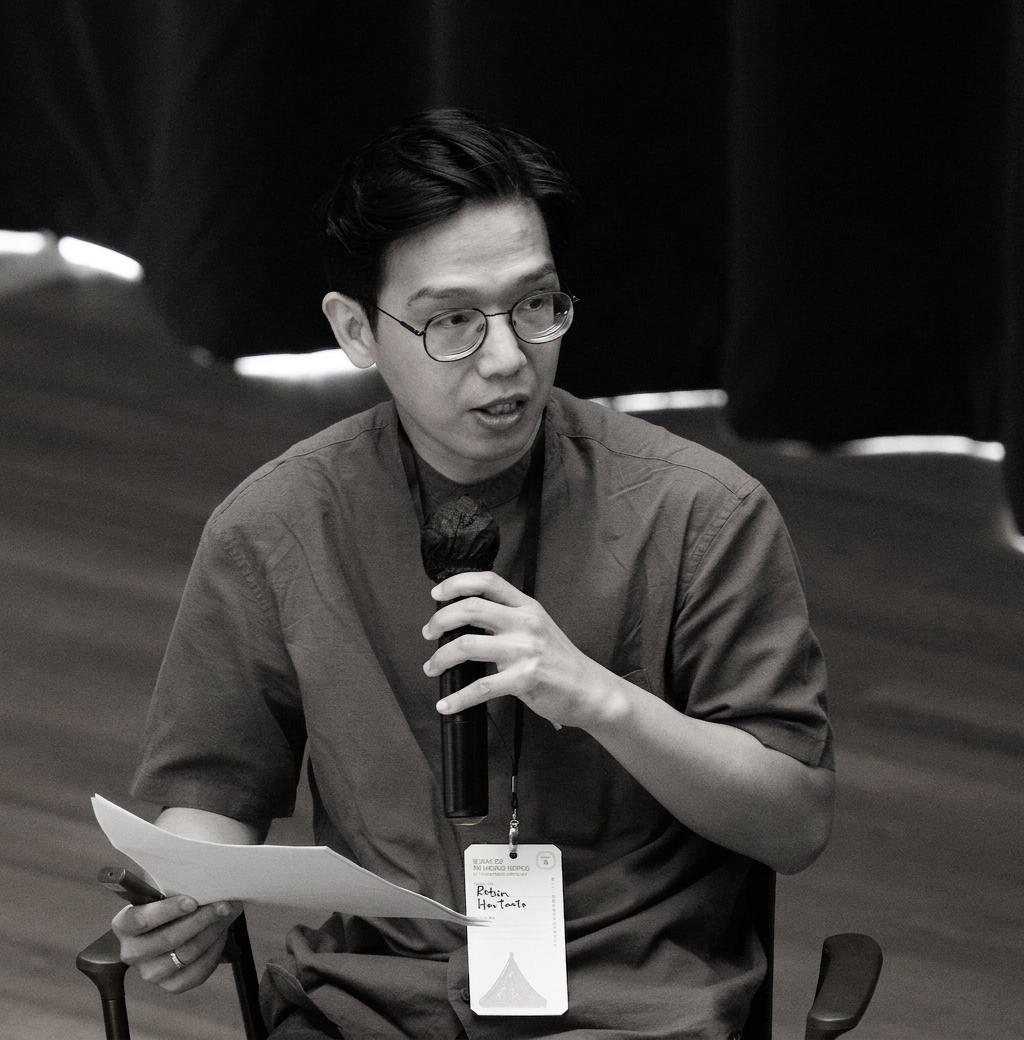
Assistant Professor Robin Hartanto Honggare (Dr.)
Design Reviews Coordinator
Robin Hartanto Honggare is Assistant Professor at the Department of Architecture, National University of Singapore. He works at the intersection of architecture, environmental humanities, and commodity histories. His current book project investigates the extensive network of buildings that enabled commodity production in the Dutch East Indies. He received his PhD in Architecture and MS in critical and curatorial practices from Columbia University. His research has been supported by the Graham Foundation, the Social Science Research Council, the American-Indonesian Cultural & Educational Foundation, and Nieuwe Instituut.
Amara Okafor
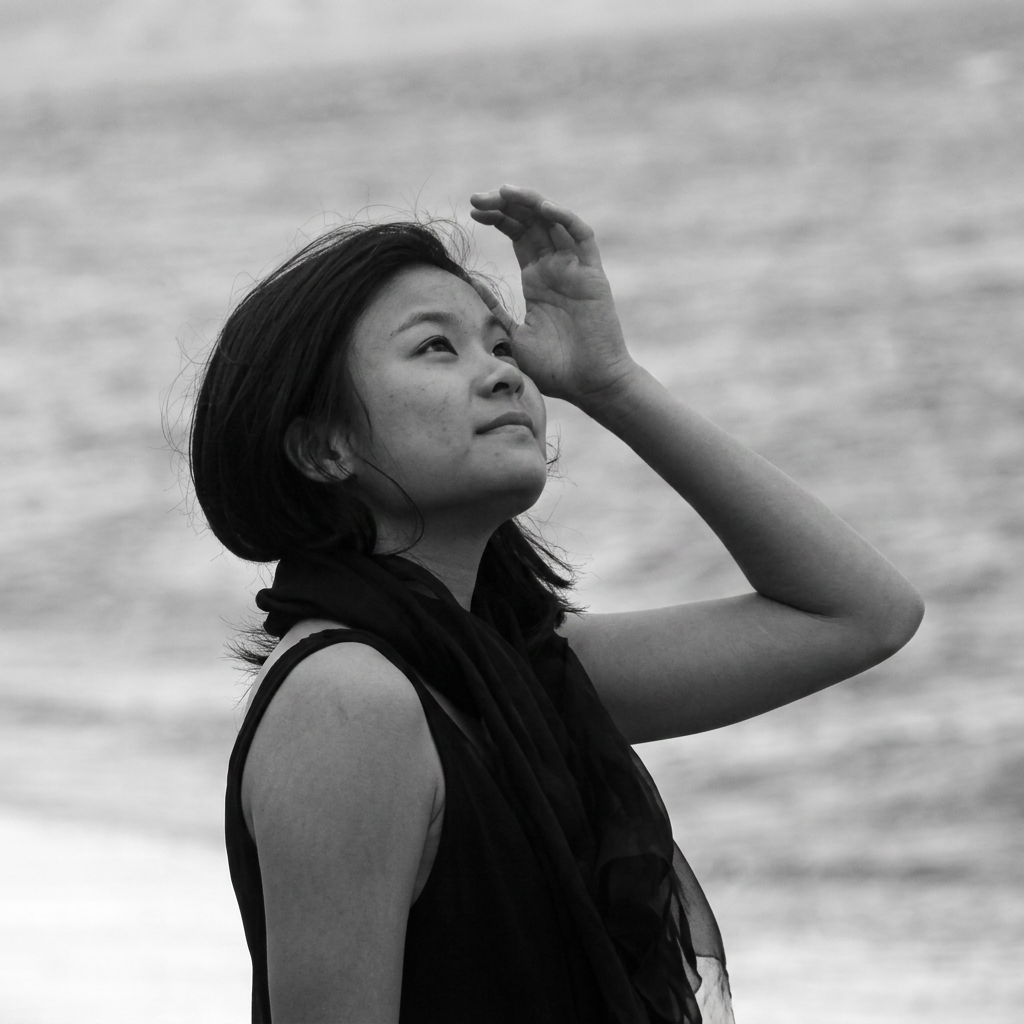
Assistant Professor Peeraya Suphasidh
Pedagogy Roundtable Coordinator
Peeraya Suphasidh is an Assistant Professor at the Department of Architecture. She’s an architect and the founder of Suphasidh Architects. The term ‘spatial optimism’ best describes the office’s method of working, trusting that each project has the innate potential to positively shape the environment and the shared lived experiences. Her research focuses on the performative as well as the expressive nature of material which are rooted in the construction methods and the process through which buildings are made.
Her projects are published by Dwell+, Australian Institute of Architecture’s Architecture Bulletin, Metropolis Magazine among others. Her work was awarded 1st prize from Viabizzuno’ Latualuce Due, 2nd prize from Europan 2019, 3rd prize from Russian International Competition for Standard Housing among other awards.
Nia Roberts
PANELIST FOR THE PEDAGOGY ROUNDTABLE
TO BE ANNOUNCED
JURY FOR DESIGN REVIEWS
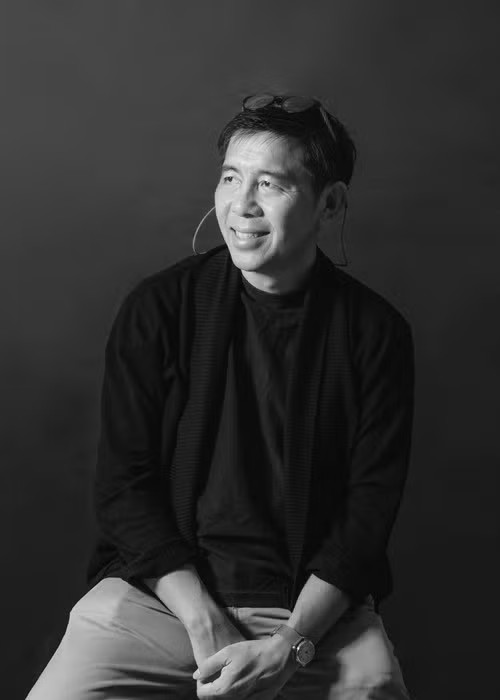
Cheah Kok Ming
National University of Singapore
Kok Ming holds the Outstanding Educator Award, the university’s highest teaching accolade. He is the Deputy Head overseeing academic matters in the Department of Architecture. He chairs the College Teaching Excellence Committee. He had been the Vice Dean (Academic) of the School of Design & Environment as well as the Assistant Dean in the College of Design & Engineering. He is a registered architect and a member of the Board of Architects, Singapore. He is a NUS Alumnus.
His key architectural works when he was with the Public Works Department included the Institute of South East Asian Studies which contributed discourse on tropical architecture in several books. The conversion of the Empress Place Building to Asian Civilization Museum won the Architectural Heritage Award in 2003. He pioneered buildable design strategies for the construction of schools and won the BCA Best Buildable Project in 1995.
Hiroshi Tanaka
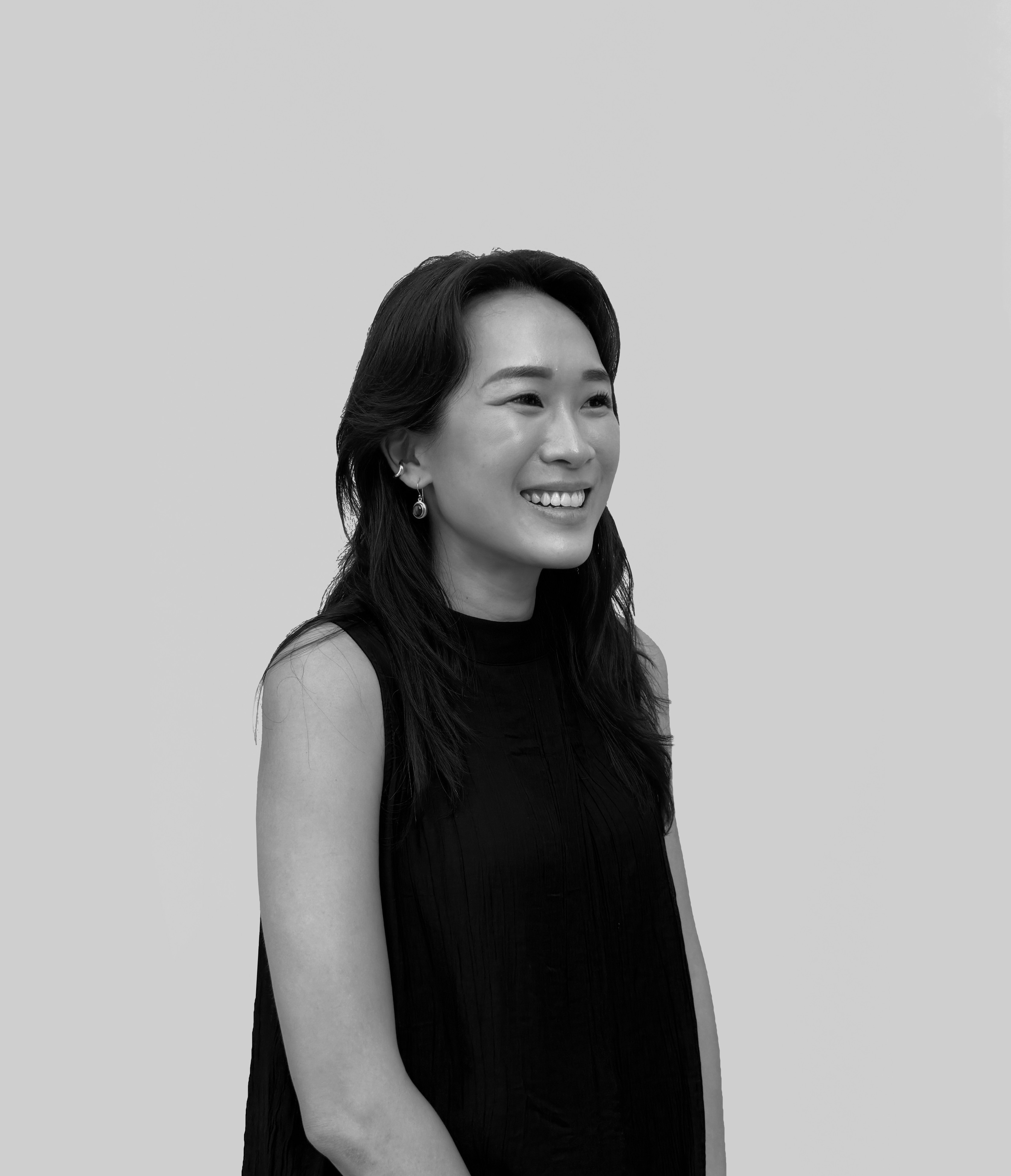
Kate Lim
FARM
Kate Lim is an Architectural Designer at FARM Architects, where she works on private residential, commercial, and conservation shophouse redevelopment projects across Singapore and Southeast Asia. Previously, she worked at Foster + Partners, contributing to the design of the headquarters for BENCH and BDO Unibank in Manila, Philippines. Kate holds a Master of Architecture from the National University of Singapore, where her graduation thesis was selected for presentation at both the International Exhibition of Architecture Graduation Design and New Common Grounds.
Amara Okafor
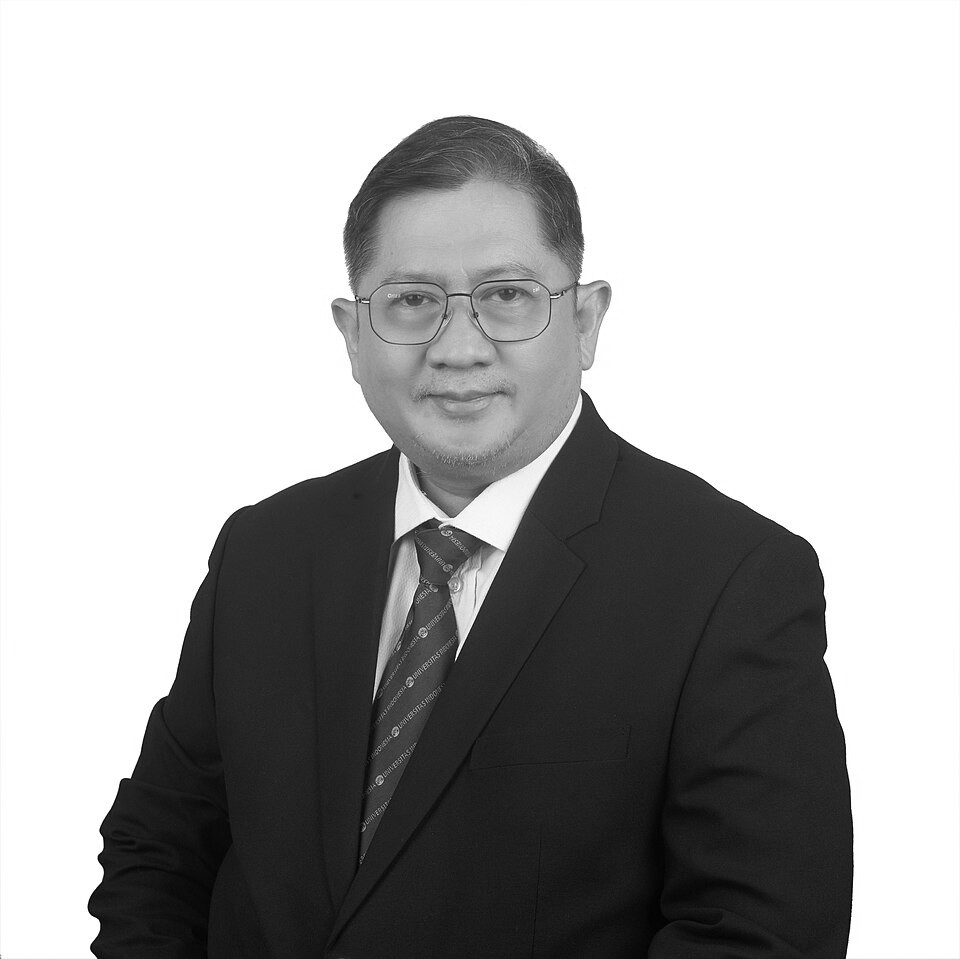
Kemas Ridwan Kurniawan
Universitas Indonesia
Kemas Ridwan Kurniawan is an Indonesian architectural historian and a full professor of architecture at Universitas Indonesia (UI). He is the current dean of UI’s engineering faculty, serving since 2025. Kurniawan obtained his “Sarjana Teknik” (ST) Degree in Architecture from Universitas Indonesia in 1995 and completed his Master’s degree (M.Sc.) in Architectural History at University College London before pursuing a PhD at the Bartlett School of Architecture, UCL. He is a member of the Indonesian ICOMOS and the Expert Team for the National Intangible Heritage in Indonesia. He is also the founder and specialist of Indonesian Vernadoc. His publications include Postcolonial History of Architecture and Urbanism: Power and Space of Indonesian Tin Mining in Bangka Island (2011) and The Hybrid Architecture of Colonial Tin Mining Town of Muntok (2013). His writings have been published in accredited national and international journals.
Nia Roberts
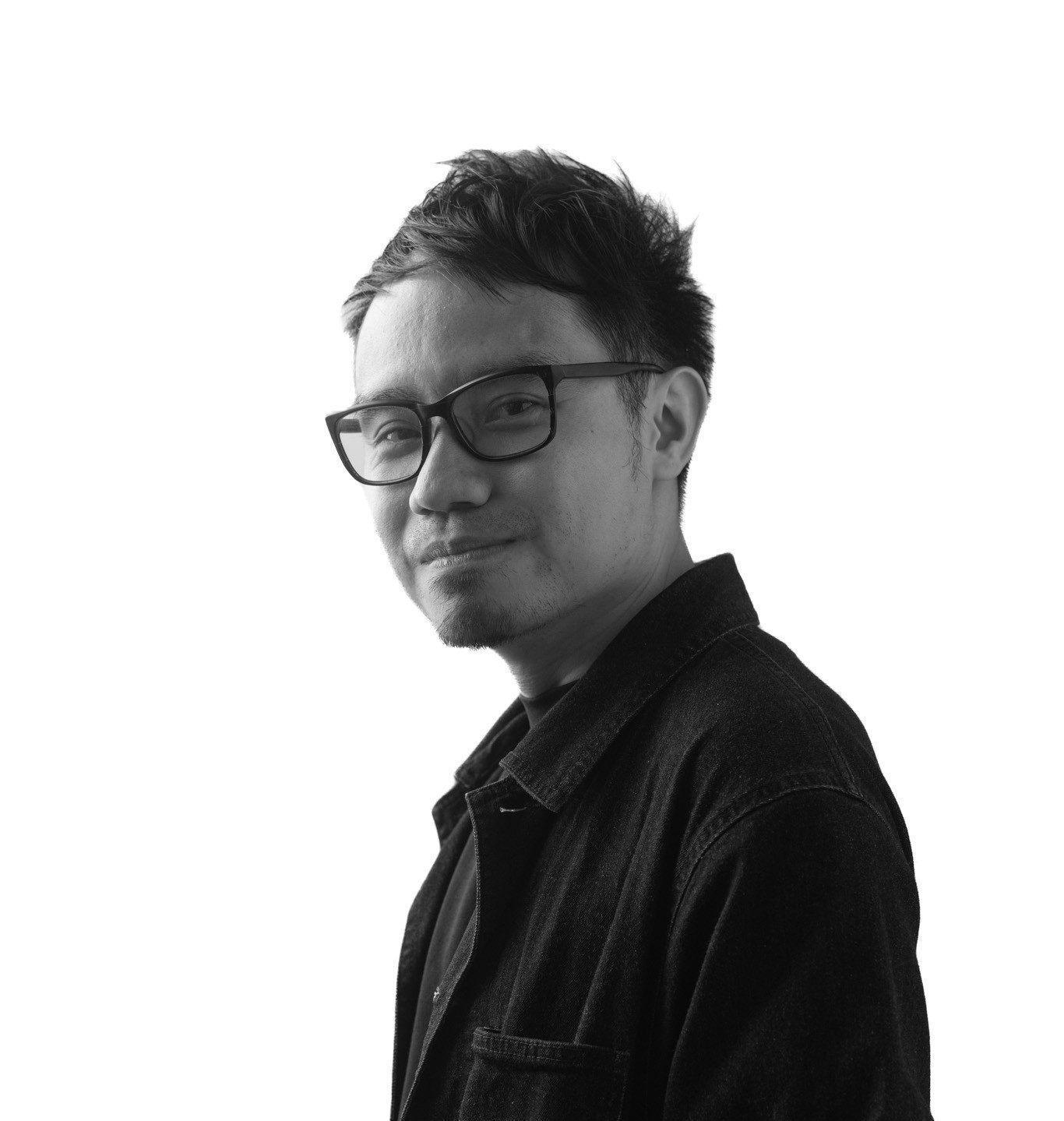
Calvin Chua
Singapore University of Technology and Design
Calvin Chua is an urbanist and educator working at the intersection of design, planning and advocacy. He leads Spatial Anatomy, a research-led design practice engaged in projects across various scales, cultures, and geographies—ranging from small-scale infrastructure and strategic masterplans to festival activation and, more recently, research on the revitalisation of strata malls and neighbourhood centres. In parallel, Calvin is an Associate Professor of Practice at the Singapore University of Technology and Design (SUTD), where he heads the Spatial Policy Lab—a research platform bridging policy and spatial strategies.
His key architectural works when he was with the Public Works Department included the Institute of South East Asian Studies which contributed discourse on tropical architecture in several books. The conversion of the Empress Place Building to Asian Civilization Museum won the Architectural Heritage Award in 2003. He pioneered buildable design strategies for the construction of schools and won the BCA Best Buildable Project in 1995.
Hiroshi Tanaka
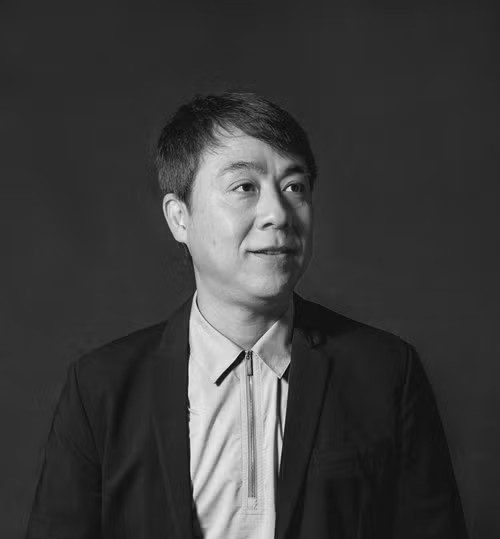
Tsuto Sakamoto
National University of Singapore
Tsuto Sakamoto 坂元 伝 is an Associate Professor at the National University of Singapore (NUS). He graduated from Columbia University (M.S.), Waseda University (M.E.), and the Tokyo University of Science (B.E.). He has practised at Bernard Tschumi Architects and Stan Allen Architects in New York.
At NUS, drawing on his background in critical theory and a deep approach to education, he has led and taught design studios at both the undergraduate and graduate levels. He has also conducted research in the areas of history, theory, and criticism. His achievements as an educator are reflected in numerous awards, including the Award of Excellence in the LIXIL International University Architectural Competition (2013) and the NUS Annual Teaching Award (2015).
Amara Okafor

Annabelle Tan
URA
Annabelle Tan is an architect, urban designer, artist and illustrator who is currently practising in Singapore. Her work explores city-making and its relation to socio-political systems, ranging from dominant regimes to everyday practices. She grounds her design methodology in both technical investigations as well as ethnographic research and architectural writing. Her designs, drawings and models colourfully narrate experimental ways of living that critique our relationship with nature and one another, merging both past cultures, present urban conditions and future technological systems. Her work has been exhibited at international events such as the Royal Academy Summer Show, Venice Biennale, Singapore Art Week and Singapore Design Week.
Nia Roberts

Rattapong Angkasith
Chiang Mai University
Assistant Professor Dr. Rattapong Angkasith is an architect, academic, and researcher at the Faculty of Architecture, Chiang Mai University, Thailand. He holds a Architecture Doctorage (Arch.D.) from the University of Hawai‘i at Mānoa, a Master of Architecture (M.Arch.) from the Illinois Institute of Technology, and a Bachelor of Architecture from Chiang Mai University.
He currently serves as Associate Dean for Student Development, Alumni, and Professional Relations, and as Head of the international Bachelor of Science program in Integrated Design in Emerging Architecture (IDEA) at Faculty of Architecture, Chiang Mai University. In this capacity, he contributes to academic leadership and curriculum development, with a focus on integrating design thinking, interdisciplinary knowledge, and professional practice.
Dr. Angkasith is actively engaged in professional organizations and public service. He is a executive boards member and former Vice President of the Association of Siamese Architects under Royal Patronage (ASA), and serves on the executive boards of the Nawarajdamri Conservation Foundation and the Chiang Mai University Alumni Association.
Hiroshi Tanaka

Noel C. Cruz
University of Santo Tomas
Noel Cruz is an architect, full-time faculty member, and Competitions Coordinator of the University of Santo Tomas College of Architecture (USTCA). A cum laude graduate of USTCA, he holds an MS in Urban Planning and Policy Design from Politecnico di Milano University (Italy) and studied Philosophy at the Pontifical University of Urbaniana (Vatican City).
His research interests include placemaking, Asian streets, and heritage conservation. As a research associate at the UST Center for Conservation of Cultural Property and Environment in the Tropics (USTGS CCCPET), he has been involved in the preparation of the Conservation Management Plan for the heritage churches of Betis and Baclaran, as well as the Heritage Impact Assessment for the proposed MRT Line 4. A former Gallery Director, he was part of the curatorial team that represented UST at the Time Space Existence exhibition during the Venice Biennale in 2024 with their project, “Napipintong Pagbabago: Imminent Transformations.”
Amara Okafor
Nia Roberts
STUDENT TEAM
Brand Identity & Graphic Design: Pierre Teo
Exhibition Build: Ajit Balaji, Min Thein Kyaw
Digital & Online Media: Javan Poh
Student Ambassadors: Nicholas Mok Yi Kai, Ian Goh Ming Lun, Lim Yejun Darius, Kyla Pierre Alinsod Borja, Lee Chu Xin, Cheong Keikei Tania, Tan Sher Myn Ashley, Poh Javan
Designed with WordPress